

Jau esate davę apgalvotų dovanų — ir vis tiek jautėte, kad kažko trūksta. Gavėjas mandagiai šyptelėjo, padėkojo ir gyvenimas tęsėsi toliau. Akimirka neužsilinko. Ryšys, kurį tikėjotės pagilinti, liko lygiai ten, kur buvo. Jei tai skamba pažįstamai, žinokite — nesate vieni, o problema greičiausiai nėra nei jūsų skonis, nei biudžetas.
Dauguma mūsų instinktyviai renkamės materialias dovanas, nes jos atrodo saugios ir apčiuopiamos. Tačiau tyrimai nuosekliai rodo, kad patyriminės dovanos — tokios, kurios sukuria bendrus prisiminimus — kelia gilesnį dėkingumą ir stiprina socialinius ryšius labiau nei materialūs daiktai. Gera žinia? Nereikia didelių išlaidų ar grandioziško gesto. Tiesiog reikia išmanesnio požiūrio į dovanojimą.
Šis vadovas žingsnis po žingsnio paaiškina, kaip tai padaryti.
Kodėl dovanojimas dažnai nepasiekia tikslo
Pagrindinė problema ta, kad dauguma dovanojimo sprendimų grindžiami patogumu, o ne ryšiu. Imame tai, ką lengva įvynioti, lengva išsiųsti ir lengva paaiškinti. Materialūs daiktai šiuos kriterijus tenkina. Patirtys ne visada ateina dėžutėje — o tas neapibrėžtumas verčia mus jų vengti.
Štai ką tyrimai sako apie tai, kodėl standartinės dovanos neveikia:
- Materialios dovanos greitai išblėsta atmintyje. Kai naujumo efektas praeina, fizinis daiktas tampa kasdienio gyvenimo fono dalimi, o ne reikšmingu skyriumi žmogaus istorijoje.
- Patirtys tampa autobiografiniais prisiminimais. Vartotojų psichologijos tyrimai rodo, kad patyriminių dovanų prisiminimai konstruojami kaip asmeniškai reikšmingesni — jos atrodo kaip mūsų pačių dalis, o ne tik tai, ką turime.
- Svarbi savęs išraiškos spraga. Tyrimai rodo, kad žmonės renkasi patyriminius pirkimus tada, kai nori išreikšti savo tikrąjį „aš". Dovana, atspindinti kieno nors tapatybę, veikia daug stipriau nei ta, kuri tiesiog užpildo vietą lentynoje.
- Dėkingumas susijęs su suvokiama investicija. Kai gavėjas jaučia, kad dovanotojas įdėjo tikrų minčių ir prasmės — o ne vien pinigų — dėkingumas auga, kaip ir socialinio ryšio pojūtis.
- Mes nuvertiname atminties vaidmenį dovanojime. Naujausias patyriminių ir materialių pirkimų metaanalizė pabrėžė, kad atminties dinamika yra katastrofiškai neįvertinta vertinant dovanų prasmę.
Šių priežasčių supratimas yra pirmas žingsnis. Dabar keiskime šį modelį.
1 žingsnis: Perkraukite dovanojimo mąstymą — nuo daikto iki prisiminimo
Svarbiausias pokytis, kurį galite padaryti — nustoti klausti „ką turėčiau dovanoti?" ir pradėti klausti „ką noriu, kad jie prisimintų?" Šis požiūrio pakeitimas skamba paprastai, tačiau jis pertvarko visus tolesnius sprendimus.
Vartojimo tyrinėtojai dovanojimą apibūdina kaip socialinę dinamiką, kurioje tiek dovanotojas, tiek gavėjas siekia emocinių ir santykių tikslų — o ne vien perduoti daiktą. Kai dovanojate su tikslu sukurti prisiminimą, automatiškai pradėsite rinktis dovanas, kurios svarbios gavėjo savivokos požiūriu.
Pradėkite galvodami apie tai, ką gavėjas aptarinėja, ko siekia arba kam niekada neranda laiko. Patyriminės dovanos geriausiai veikia tada, kai siejasi su tapatybe — kulinarijos kursas tam, kas myli maistą, bet niekada neskiria laiko sau; koncertas tam, kas užaugo klausydamasis to atlikėjo; organizuotas žygis tam, kas vis kartoja, kad nori daugiau laiko gamtoje. Užsirašykite tris galimybes prieš bet kokį pirkimą.
Patarimas profesionalams: Kuo konkrečiau patirtis dera su asmens gyvenimo naratyvu, tuo labiau ji bus suvokiama kaip prasminga. Bendros patirtys vis tiek lenkia daugumą materialių dovanų — tačiau personalizuotos kuria ilgalaikius ryšius.
2 žingsnis: Suderinkite patirtį su gavėjo tapatybe
Tyrimai rodo, kad žmonės patyriminius pirkimus vertina kaip labiau išreiškiančius jų tikrąjį „aš" nei materialiuosius — ir kad autentiška savivoka suteikia didesnę gyvenimo prasmės jauseną. Kaip dovanotojas, jūsų užduotis — rasti patirtį, atspindinčią tai, kas gavėjas jau yra arba kuo tampa.
Čia dovanojimas tampa tikru dosnumu, o ne sandoriu. Paklauskite savęs: ar ši patirtis leidžia jam ar jai padaryti ką nors, ko negalėtų arba nepadarytų vienas? Ar ji atspindi tai, ką jis ar ji giliai vertina? Ar jie apie tai pasidalytų, papasakotų istoriją, ar apibūdintų kaip „tokia mano"?
Empiriniai tyrimai tai tiesiogiai patvirtina. Žmonės žymiai dažniau dalijasi patirtimis socialiniuose tinkluose, nes tos patirtys atrodo reikšmingesne „aš" dalimi. Jos sukelia daugiau informacijos skleidimo iš lūpų į lūpas, intensyvesnę tapatybės raišką ir stipresnes emocijas nei materialios alternatyvos. Kai jūsų dovana sukelia tokį atsaką — jums pavyko.
- Rinkitės veiklas, susijusias su esama aistra ar seniai puoselėjamu siekiu
- Venkite patirčių, atspindinčių jūsų skonį, o ne jų
- Apsvarstykite patirtis, šiek tiek pranokstančias jų galimybes — dalykus, kuriuos jie mėgtų, bet patys neužsisakytų
- Ieškokite unikalumo: vienas tyrimas parodė, kad vartotojai labiau vertino patyriminius pirkimus, kai jie atrodė nepakeičiami ir laiko požiūriu jautrūs
3 žingsnis: Sukurkite dovanojimo akimirką, o ne tik dovaną
Tai, kaip pateikiate patyriminę dovaną, beveik toks pat svarbus, kaip ir pati patirtis. Čia daugelis geranoriškų dovanotojų praranda poveikį, kurį taip stengėsi sukurti. Įteikti kam nors išspausdintą kuponą voke neturi tokio paties emocinio svorio, kaip sukurti tikrą akimirką aplink atskleidimą.
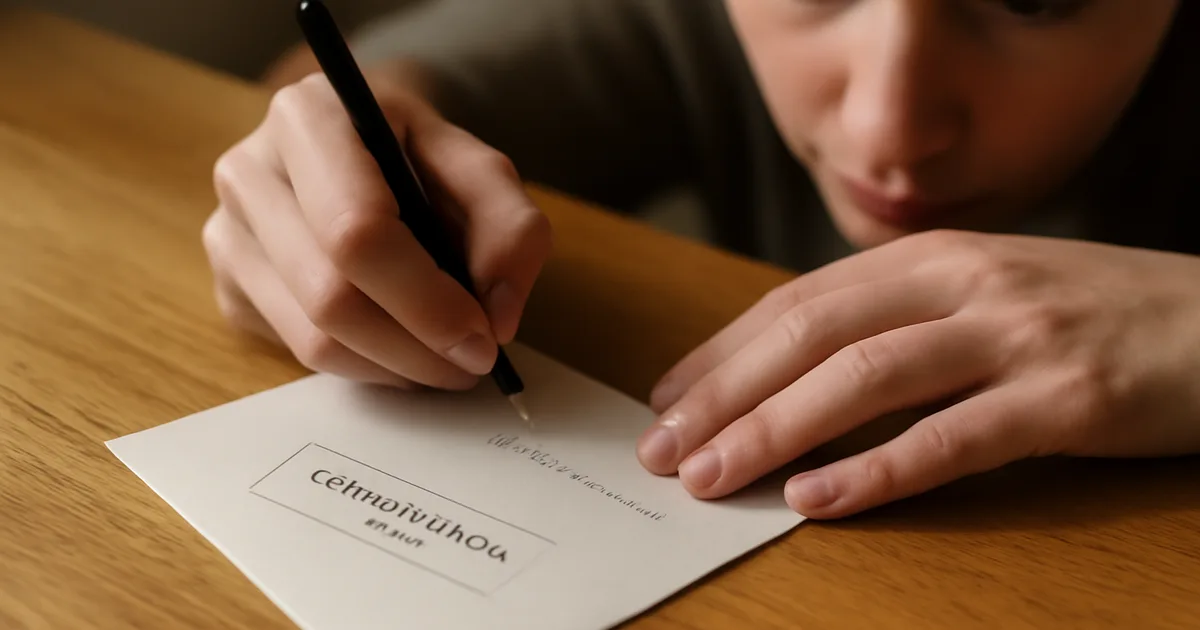
Tyrimai apie dovanų mainus pabrėžia, kad simbolinė prasmė, kurią kartu konstruoja dovanotojas ir gavėjas, ir yra ta vieta, kur gyvena tikroji dovanos vertė — ne pačiame daikte ar patirtyje. Tai reiškia, kad dovanojimo ritualas yra neatsiejama dovanos dalis. Parašykite trumpą ranka rašytą laiškelį, kuriame paaiškinkite, kodėl pasirinkote būtent šią patirtį būtent šiam žmogui. Šis argumentacijos išreiškimo gestas signalizuoja, kad jūs tikrai matote jį kaip asmenybę — o tas suvokimas yra tai, kas lemia dėkingumą.
Skaitmeninių dovanų ar patirties kuponų atveju tokios platformos kaip Odonum siūlo struktūrizuotus būdus pristatyti patyrimines dovanas su kontekstu ir personalizavimu, kurie padeda akimirkai nuskambėti. Patirties įrėminimas istorijoje — kodėl dabar, kodėl tai, kodėl būtent jūs — pakelia visą apsikeitimą į kitą lygį.
Patarimas profesionalams: Dėkingumo santykiuose tyrimai tiesiogiai sieja aukštesnį dėkingumą su gavėjo suvokimu apie tai, kiek dovanotojas investavo. Apgalvotas laiškelis gali padvigubinti bet kurios dovanos suvokiamą investiciją.

4 žingsnis: Skatinkite prisiminti ir apmąstyti po patirties
Patirties suteikimas yra tik pradžia — prisiminimas, kurį ji sukuria, yra tikroji dovana. Vartotojų psichologijos tyrimai apie prisimintos vartojimo patirties prigimtį rodo, kad tai, kaip žmonės atkuria ir interpretuoja prisiminimą, lemia jo ilgalaikę emocinę vertę. Kaip dovanotojas, jūs galite švelniai formuoti tą procesą.
Pasiteiraukite po patirties. Paklauskite, kaip viskas sekėsi. Įsitraukite į istoriją, kurią jie jums pasakoja. Tai nėra patvirtinimo ieškojimas — tai signalas, susiejantis santykį su patirtimi ir patvirtinantis, kad ji buvo reikšminga ir jums. Tyrimai rodo, kad socialinis ryšys su dovanotoju stiprėja, kai patyriminės dovanos sukelia intensyvias emocines reakcijas, o tos reakcijos dar labiau sutvirtėja, kai jomis dalijamasi.
Skatinkite gavėją užfiksuoti akimirką — nuotrauka, dienoraščio įrašu ar net balso pastaba. Patirties įrašymo aktas pagilina atminties pėdsaką ir didina, kaip prasmingu tas vartojimo epizodas atrodo, kai vėliau prisimenamas.
- Susisiekite per savaitę po patirties
- Užduokite atvirus klausimus: „Kas buvo geriausia dalis?" — ne „Ar patiko?"
- Prisiminkite tą prisiminimą, kai jis tampa aktualus būsimuose pokalbiuose
- Apsvarstykite galimybę po fakto padovanoti mažą suvenyrą — fotoalbumą ar spaudinį — kad patyriminį prisiminimą inkarytumėte fiziniame objekte
5 žingsnis: Sukurkite dovanojimo ritmą, grįstą patirtimis
Viena patyriminė dovana yra galinga. Nuoseklus patyriminio dovanojimo modelis transformuoja santykius. Dovanų mainų tyrimai patvirtina, kad emociniai ir santykių tikslai yra tęstiniai — jie neatsinaujina po vieno apsikeitimo. Prasmingo dovanojimo įpročio kūrimas socialinį ryšį kaupia laipsniškai, bėgant laikui.
Tai nereiškia brangių patirčių kiekviena proga. Tai reiškia sąmoningumą. Gerai parinkta restorano rezervacija gimtadieniui, vietinis renginys, susijęs su bendra aistra, ar patirtis, sugrįžtanti prie kažko reikšmingo iš jūsų bendros istorijos — visa tai stiprina santykių signalą, kad kitas žmogus jums yra svarbus.
Sekite, kas atsiliepia. Kai konkretus patirties tipas sukelia tikrą dėkingumą ir ryšį, užsirašykite tai. Laikui bėgant susiformuos intuityvus supratimas, kas veikia kiekvienam jūsų gyvenimo žmogui. Tas žinojimas pats savaime yra intymumo forma.

Ko tikėtis: patyriminio dovanojimo laiko juosta
Patyriminių dovanų poveikis atsiskleidžia skirtingais laikotarpiais. Štai ko galite realiai tikėtis:
Iš karto gavus dovaną: Emocinis intensyvumas yra didesnis nei su materialiais daiktais. Tikėkitės matomų entuziastingų reakcijų ir ekspresyvesnio dėkingumo — tyrimai patvirtina, kad patyriminės dovanos sukelia stipresnes emocines reakcijas dovanojimo momentu.
Per pirmą savaitę: Pati patirtis sukuria bendrą istoriją. Socialinis ryšys stiprėja, kai gavėjas pradeda sieti prisiminimą su jumis kaip dovanotoju.
Po vieno iki trijų mėnesių: Materialios dovanos paprastai jau išbluko į kasdienio gyvenimo foną. Patyriminės dovanos, priešingai, vis dar minimos pokalbiuose, vis dar iškyla autobiografiniuose prisiminimuose kaip reikšmingi epizodai.
Ilgalaikė perspektyva: Dovana tampa gavėjo gyvenimo naratyvo dalimi. Atminties ir vartojimo tyrimai rodo, kad patyriminiai pirkimai labiau įpinami į istorijas, kurias žmonės pasakoja apie savo gyvenimą — ir dovanos čia nėra išimtis.
Klaidos, stabdančios jūsų pažangą
- Kainos naudojimas kaip apgalvotumo pakaitalas. Brangi materiali dovana beveik visada pralaimi gerai parinktai, vidutinės kainos patirčiai.
- Patirčių, kurias mėgtumėte jūs, o ne jie, pasirinkimas. Savivokos tyrimai yra aiškūs: patirtis turi atliepti gavėjo tapatybę, o ne jūsų.
- Pateikimo apleidimas. Skubotai ar be konteksto įteikta dovana prarandą didžiąją dalį simbolinės prasmės, kuri lemia dėkingumą.
- Pernelyg bendros patirties dovanojimas. Patirties kuponai be jokio personalizavimo prasilenkia su tikslu. Būtent konkretumas daro patyriminę dovaną tinkama tam žmogui.
- Tolesnio bendravimo pamiršimas. Neįsitraukimas su gavėju po patirties palieka prisiminimą nesutvirtintą santykių kontekste — ir susilpnina socialinį ryšį, kurį patyriminis dovanojimas yra sukurtas stiprinti.
Kas gali padėti jums greičiau pasiekti tikslą
Trys išteklių kategorijos žymiai palengvina patyriminio dovanojimo vykdymą:
Kuruotos patirties platformos nuima nuo jūsų pečių tyrimų naštą, organizuodamos patirtis pagal pomėgius, vietą ir progą. Ieškokite platformų, leidžiančių personalizuoti ir pateikti su kontekstu — ne vien pasiūlančių pasirinkimų katalogą.
Atminimo fiksavimo priemonės — nuo kokybiško nuotraukų spausdinimo paslaugų iki skaitmeninių atminties knygų — padeda gavėjams inkarinti patyriminius prisiminimus kažkame apčiuopiamame. Tai ypač gerai veikia kaip tolesnio bendravimo gestas po pagrindinės patirties.
Dovanojimo vadovai — kontroliniai sąrašai, progų planavimo priemonės ir santykiais grįsti dovanojimo vadovai — padeda jums pereiti nuo miglotų ketinimų prie konkretaus, pasitikinčio savimi pasirinkimo. Tikslas — sumažinti trintį, dėl kurios žmonės grįžta prie materialių dovanų.
Trumpa santrauka: jūsų patyriminio dovanojimo kontrolinis sąrašas
✅ Pakeiskite klausimą nuo „ką dovanoti" iki „ką prisiminti"
✅ Suderinkite patirtį su gavėjo tapatybe ir vertybėmis
✅ Sukurkite dovanojimo akimirką su personalizuotu laiškeliu ar atskleidimu
✅ Skatinkite apmąstymą ir atminimo fiksavimą po patirties
✅ Sekite toliau ir įsitraukite į istoriją, kurią sukuria patirtis
✅ Laikui bėgant kurkite nuoseklų patyriminio dovanojimo ritmą
✅ Venkite bendrų patirčių — konkretumas lemia dėkingumą
✅ Neaplenkite pateikimo — simbolinė prasmė gyvena rituale
Dažnai užduodami klausimai
Ar patyriminės dovanos geresnės nei materialios visais atvejais?
Tyrimai rodo nuoseklų laimės ir dėkingumo pranašumą patyriminių dovanų naudai plačiame gavėjų ir kontekstų spektre. Tačiau poveikis stipriausias tada, kai patirtis gerai atitinka gavėjo tapatybę ir vertybes. Labai mažiems vaikams ar gavėjams, turintiems reikšmingų judėjimo apribojimų, gali prireikti apgalvoto pritaikymo — tačiau prasmės pasirinkimo virš daikto principas vis tiek galioja.
Kaip įteikti patyriminę dovaną, jei negaliu dalyvauti patirtyje?
Svarbus įrėminimas, o ne fizinis dalyvavimas. Personalizuotas laiškelis, paaiškinantis, kodėl pasirinkote būtent tą patirtį, kartu su pokalbiu po jos, išsaugo santykių signalą, lemiantį dėkingumą. Tyrimai patvirtina, kad suvokiama investicija — o ne fizinis dalyvavimas — nulemia, kaip giliai dovana yra įvertinama.
Jei mano biudžetas ribotas — ar patyriminės dovanos vis tiek veiks?
Absoliučiai. Kaina nėra pagrindinis patyriminės dovanos vertės veiksnys. Tyrimai nuosekliai rodo, kad patirties prasmė ir atitikimas tapatybei svarbiau nei jos kaina. Gerai parinkta vietinė patirtis, kulinarinis užsiėmimas ar bilietai į reikšmingą renginį gali pralenkti brangią materialią dovaną pagal visus dėkingumo ir socialinio ryšio rodiklius.
Kiek laiko po patyriminės dovanos suteikimo turėčiau kreiptis su tolesniu bendravimu?
Per vieną savaitę nuo patirties yra idealus langas. Tada prisiminimai yra ryškūs, o emociniai atsakai vis dar aktyvūs. Paprastas, nuoširdus klausimas — „Kas buvo svarbiausias momentas jums?" — pakanka ryšiui sustiprinti ir signalizuoti, kad patirtis buvo reikšminga ir jums.
Ar patyriminės dovanos veikia profesiniuose santykiuose, ne tik asmeniniuose?
Taip — ir dažnai jos būna dar įsimintinesnės profesiniame kontekste kaip tik todėl, kad yra netikėtos. Komandos patirtis, įgūdžiais grįstas seminaras ar prasmingas išvykimas, susietas su bendru profesiniu pasiekimu, gali sustiprinti darbo santykius tokiais būdais, kurių standartinės korporatyvinės dovanos retai pasiekia. Tie patys principai taikomi: suderinkite su tapatybe, personalizuokite įrėminimą ir kreipkitės su tolesniu bendravimu.